
Your cart
There are no more items in your cart
Still Using Lead-Acid Off-Grid? Lithium Now Costs Up to 3 Times Less
A premium gel battery bank costs about £7,550 and, cycled daily, needs replacing at about 15 years. A lithium stack with the same usable energy costs £2,075. Over 20 years, with both banks replaced once, lithium works out about three times cheaper per usable kWh.
Most commercial off-grid installations are designed for a life of 15 to 20 years. To make this a fair fight, we have not compared lithium against cheap leisure batteries. We have used the best gel there is, Sonnenschein A600 Solar OPzV cells, which are rated for a 20 year design life, though we have assumed 15 years when they are cycled daily off-grid,, against a Fogstar lithium battery stack with the same usable energy, using the prices on our website.
The short version
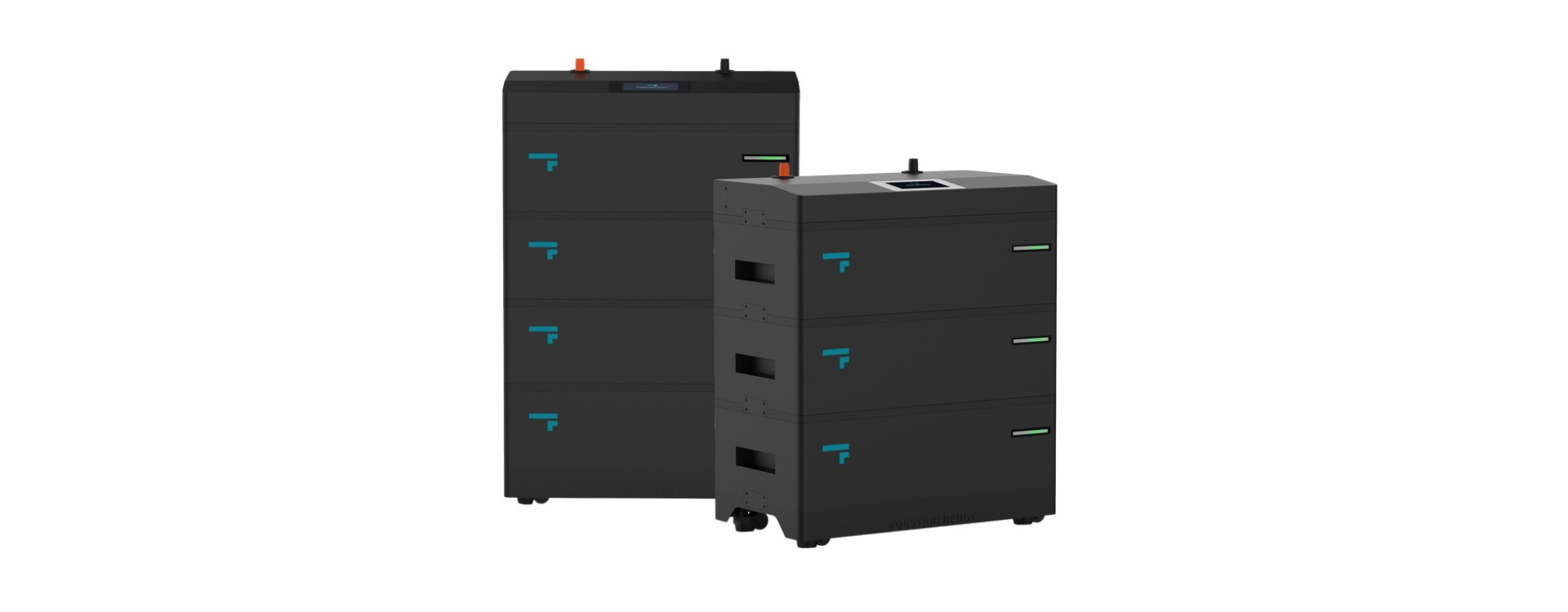
- Fogstar 48V 16.1kWh IP65 modular stack costs £2,075 ex VAT and gives about 12.9kWh of usable energy.
- To match that with Sonnenschein A600 OPzV gel, you need 24 of the 440Ah 2V cells. They cost £7,551 and give about 12.7kWh of usable energy.
- Lithium is nearly three quarters cheaper to buy. Both banks need replacing at about year 15, so over 20 years lithium works out about three times cheaper per usable kWh, whether you count the cash or only the life you use.
- Sonnenschein rate the A600 for a 20 year design life on float at 20°C. Cycled daily off-grid we have assumed 15 years, the same as the lithium, which keeps the comparison fair.
Compare like with like
Lead-acid only stays healthy if you do not discharge it too deeply. Sonnenschein rate the A600 for 3,000 cycles at 60% depth of discharge, so a 21.1kWh gel bank gives you about 12.7kWh of usable energy. Lithium happily gives up 80% or more, so the 16.1kWh stack gives you 12.9kWh. You need about 30% more nominal gel capacity to match it.
| Sonnenschein A600 OPzV gel | Fogstar lithium stack | |
|---|---|---|
| Bank (48V, ex VAT) | 24 x A600 Solar OPzV 2V 440Ah cells | 16.1kWh IP65 modular stack |
| Purchase price | £7,551 | £2,075 |
| Nominal energy | about 21.1kWh | 16.1kWh |
| Usable energy | about 12.7kWh (60% depth of discharge) | about 12.9kWh (80% depth of discharge) |
| Design life | about 15 years when cycled daily (20 years on float at 20°C) | about 15 years |
The gel price does not include the racking or cell connectors that 2V cells need, which add to the cost. The lithium stack is a self-contained, IP65 rated unit.
The 20 year bill
Both banks are assumed to last about 15 years in daily off-grid cycling, so over a 20 year project each is replaced once, at about year 15. Each replacement then has about 10 years of life left at year 20, which is value you still own. The table shows the cash cost and the cost counting only the life you have used.
| Sonnenschein A600 OPzV gel | Fogstar lithium stack | |
|---|---|---|
| Purchase price | £7,551 | £2,075 |
| Replacement within 20 years | £7,551 at about year 15 | £2,075 at about year 15 |
| Visit and commissioning for the replacement | £1,000 to £1,500 (24 heavy cells) | £800 to £1,000 |
| Cash spent over 20 years | £16,100 to £16,600 | £4,950 to £5,150 |
| Life left in the bank at year 20 | about 10 years, worth about £5,030 | about 10 years, worth about £1,380 |
| Cost counting only the life used | £11,070 to £11,570 | £3,570 to £3,770 |
| Cost per usable kWh, cash | about £1,270 to £1,310 | about £385 to £400 |
| Cost per usable kWh, counting life used | about £870 to £910 | about £280 to £290 |
Cost per usable kWh over 20 years
Sonnenschein A600 OPzV gel
£1,290
Fogstar lithium, paying for the whole replacement stack
£392
Fogstar lithium, counting only the life used
£285
Paying for both replacements in full, lithium is about three times cheaper per usable kWh over 20 years, a cash saving of roughly £11,000 to £11,600 on a single battery bank. Counting only the life you actually use, it is still about three times cheaper, saving roughly £7,300 to £8,000.
Lithium prices are also still falling, so the replacement stack you buy in year 15 is unlikely to cost what today's does. Cheaper Solar Block gel would need replacing sooner than OPzV, so the gap would be wider still.
Weight, space and winter
Twenty-four 2V cells is a heavy, floor-hungry bank that needs a purpose-built space. The lithium stack is a fraction of the weight and footprint, is rated IP65 for dust and water, and can be watched from anywhere through Victron VRM.
Cold is where the old arguments live, so it deserves an honest answer. Lithium cannot be charged below freezing, and lead-acid also loses a good share of its capacity in the cold. For UK off-grid sites the answer is a heated 16kWh battery stack, or a position inside an insulated building.
Why cycle life is not the point
A properly sized off-grid system is designed for several days of autonomy, so it rarely uses more than a fraction of its rated cycles in 20 years, whichever chemistry you choose. What decides battery life is time and temperature, which is why we wrote why your off-grid LiFePO4 battery will never use its cycle life. The savings above come from price and usable capacity, not cycle counts.
Why now?
Lead-acid has not got worse. Everything around lithium got cheaper. A decade ago, a Victron Quattro 5kVA, the professional standard, cost about £3,000. Today a Multiplus-II 5kVA does essentially the same job for around £700 ex VAT. Solar panels, controllers and cells have followed the same curve, and the old reasons to avoid lithium have gone.
When lead-acid still makes sense
- The site is so remote and cold that heated lithium is genuinely impractical.
- You need a battery that works with no electronics at all.
- Your existing charger or inverter cannot be set up for lithium, and replacing it is not in the budget.
- The specification or approval you are working to names a lead-acid battery.
Get an off-grid battery sized for your system
If you would like to know what size and type of battery suits what you need to run, tell us about the system and we will help you choose.
Want to see the options first? Browse our Fogstar LiFePO4 lithium batteries or our Sonnenschein gel batteries. Need more capacity? See the 32.2kWh, 48.3kWh and 64.4kWh Fogstar modular battery stacks.
Common questions
Is lithium really cheaper than lead-acid for off-grid use?
Yes. A 16.1kWh Fogstar stack costs nearly three quarters less to buy than a Sonnenschein A600 OPzV gel bank with the same usable energy. Over 20 years, with both banks replaced once at about year 15, lithium works out about three times cheaper per usable kWh, in cash and counting only the life used.
How long should an off-grid battery bank last?
Most commercial off-grid systems are designed for 15 to 20 years. Sonnenschein A600 2V cells have a 20 year design life on float at 20°C, but we have assumed 15 years when they are cycled daily. A lithium stack is also expected to last around 15 years, so both banks are replaced once in 20 years.
Can lithium batteries be used in cold UK weather?
Yes, with care. Lithium must not be charged below freezing, so use a heated battery or install it in a frost-free space.
Notes on the figures
- All prices are ex VAT from our website on 21 November 2026. The gel price excludes racking and cell connectors.
- Usable energy assumes 60% depth of discharge for gel and 80% for lithium, with nominal kWh calculated as volts times the listed Ah.
- Both banks are assumed to last about 15 years in daily off-grid cycling and are replaced once at about year 15, with about 10 years of life left at year 20. The visit and commissioning allowance is £800 to £1,000 for lithium and £1,000 to £1,500 for the 24 gel cells. Both replacements are assumed to cost the same as today.
- The lithium replacement is assumed to cost the same as today's stack.
- Sonnenschein design life and cycle ratings are from the Sonnenschein A600 datasheet.
Related reading
- Your off-grid LiFePO4 battery will never use its cycle life
- Lead carbon batteries: the future of lead acid?
Last updated 23 November 2026
Related posts
 Marinising Solar PV Modules for Boats & Yachts
What to consider when selecting solar pv modules for marine use and what you can do to ensure long-term reliability...
Read more
Make Your Off-Grid Wiring 4x More Reliable
How to make your off-grid solar pv or wind installation safer, neater and more reliable.
Read more
When Is A Fuse Not A Fuse ?
Ensure your off-grid power system is properly protected - use the correct fuse. This article discusses the importance...
Read more
Your Off-Grid LiFePO4 Battery Will Never Use Its Cycle Life
Datasheets lead with cycle life, but an off-grid battery sized for days of autonomy will never use most of it. Heat...
Read more